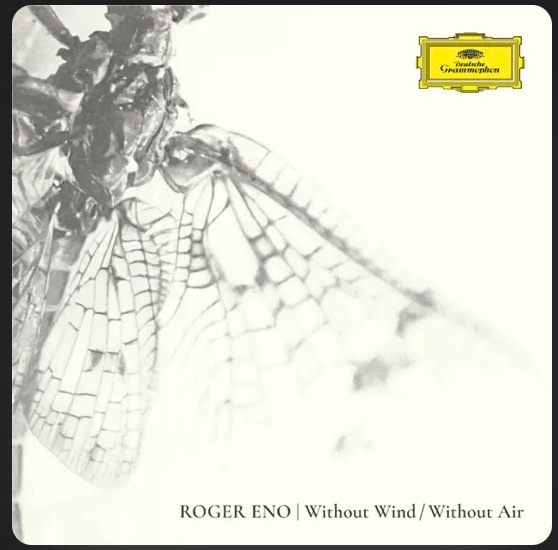
Roger Eno: Without Wind, Without Air
An album review of the brother of ambient music pioneer. Roger Eno’s had a quiet career of lovely music. Here’s a late peak.

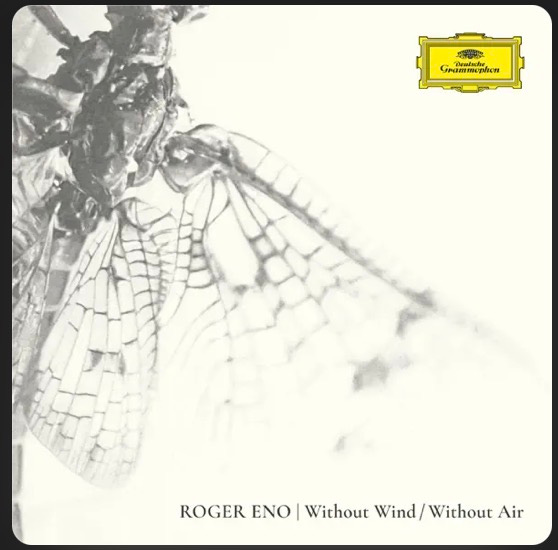
Roger Eno
Without Wind, Without Air
Deutsche Grammophon GmbH, Berlin
Alright, let’s get this out the way first — listening to an ambient/classical crossover album by the brother of Brian Eno could seem like checking out Steve Vai’s rhythm guitarist sibling, or buying a painting by Victor Van Gogh…
But let’s give Roger his dues — he’s been a solo recording artist for 40 years, singer, composer, and multi-instrumentalist, and he has recorded with his older brother first as a collaborator on Brian and Daniel Lanois’ Apollo Soundtracks project back in the early 80s, and then as co-composer and with equal billing on the 2020 album, Mixing Colours, which resulted in their first live shows together.

Either side of those offerings, Roger Eno has established his own name in the field. And has been on something of a quiet roll the last decade.

Without Wind, Without Air does feature other Enos though — joining Roger’s voice, his daughters Lotti and Cecily. There’s also soprano singer Grace Davidson. The album mixes gentle instrumental piano pieces (think Ludovico Einaudi) with synths and strings, with a move from soft classical exploration into the more esoteric and ambient. And some folk songs.
Opener, Forgiveness, featuring the three Eno voices and Davidson, is a stirring, beautiful piece, that would not be out of place opening a sequence by Max Richter. Percussion works as punctuation, the breathe within the voices as much as part of the song-texture as any choral soundings.

From there, Eno goes glacial, with electrical piano and the ‘soft furnishings’ of synth pads (Mist), and accompanies daughter Cecily at the piano for Tapestry, which feels like a Lisa Gerrard reverie. There are piano pieces to subtly pierce the silence (Saudade) and then full vocal songs — There Was A Ship features Cecily in fine, full voice, again with dad at the piano. It feels like it’s waiting for a film’s final credits to be married to. And Sarah McLaughlin fans reading this far into an ambient artist album review will be pleased to hear this song I’m sure.
The title track is on of the longer pieces, and Eno sets up a mood between piano and synth for Grace Davidson to echo gently with voice. The same could be said for the dynamic on The Final Year of Blossom.
What I’m not quite saying, and need to put down right now, is this is quite possibly the very best album of Roger Eno’s career. It’s compelling, start to finish, and his pure pianist playing (Spell) is what elevates him above and beyond his brother. His own voice is heard charmingly on penultimate track, The Moon and The Sea. And then the closer, After Rain, feels like the curtain-call for the themes and musical moods of the whole album. Utterly gorgeous stuff.